
Optimal Timing for Fire Restorations
Fire restorations are most effective when performed promptly after a fire incident. Immediate action helps minimize damage and reduces restoration costs. The timing of restoration can influence the extent of smoke and soot removal, as well as structural repairs.
Restorations are often best during milder weather conditions, avoiding extreme cold or heat which can hinder drying and cleaning processes.
Conducting inspections soon after a fire allows for early assessment and planning, preventing further deterioration.
Dry and calm weather conditions facilitate efficient restoration work, reducing delays caused by rain or high humidity.
The first 48 hours after a fire are critical for initiating cleanup and mitigation efforts to prevent secondary damage.
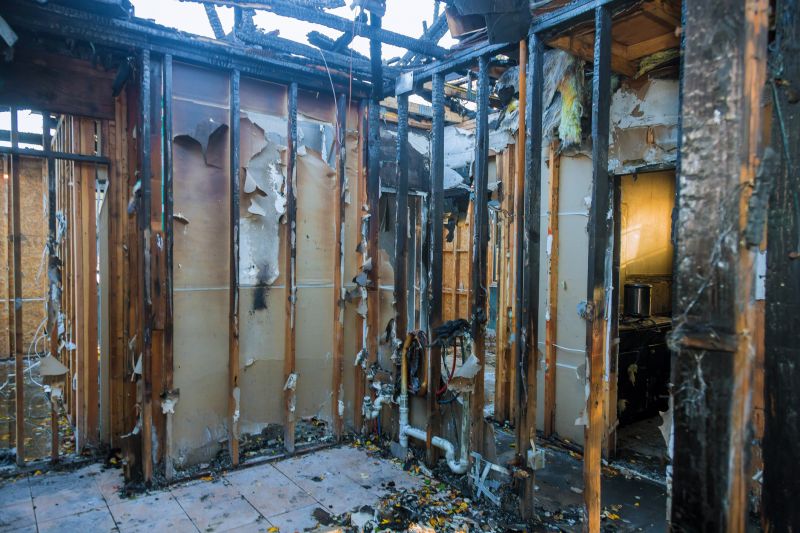
Assessing the extent of fire damage to determine restoration needs.
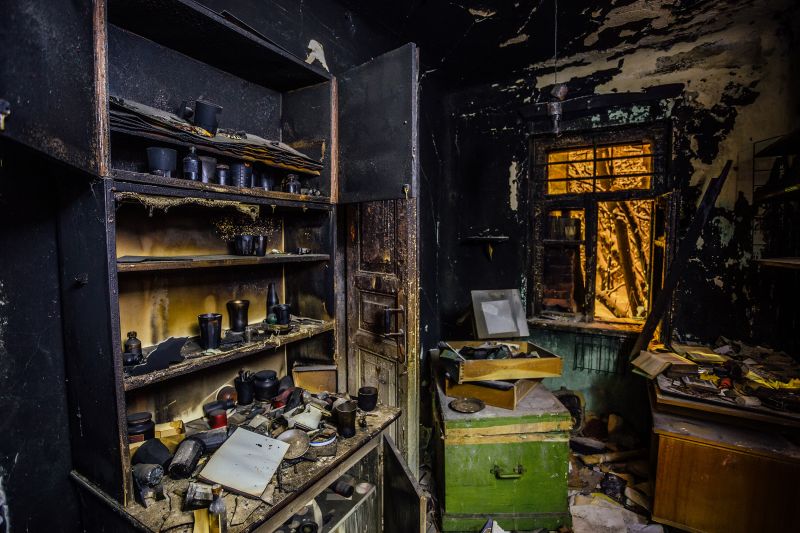
Cleaning surfaces to eliminate smoke residues and odors.
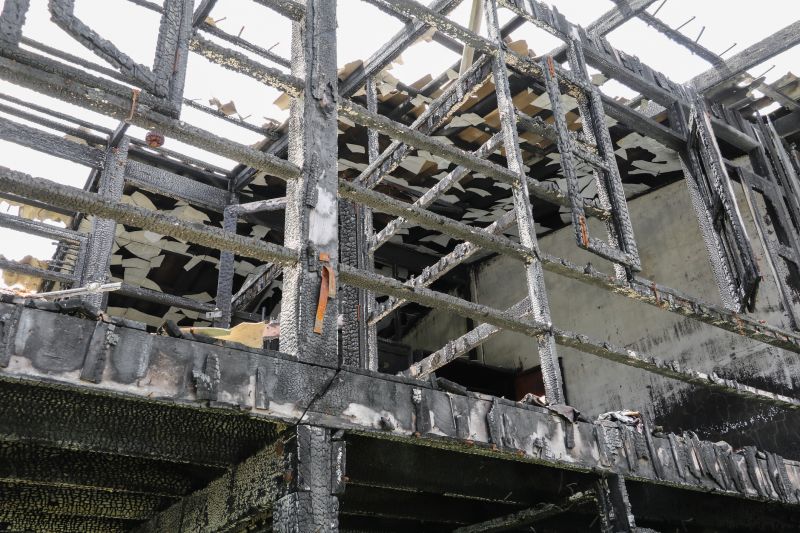
Restoring structural elements affected by fire.
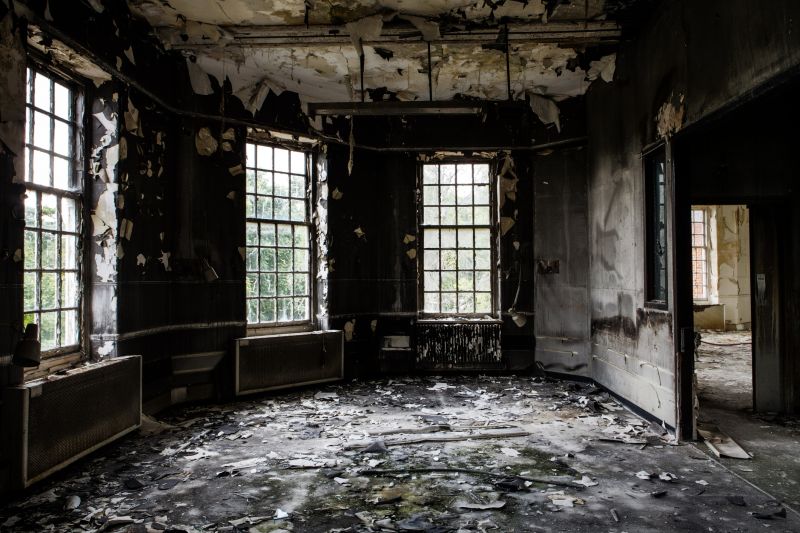
Ways to make Fire Restorations work in tight or awkward layouts.
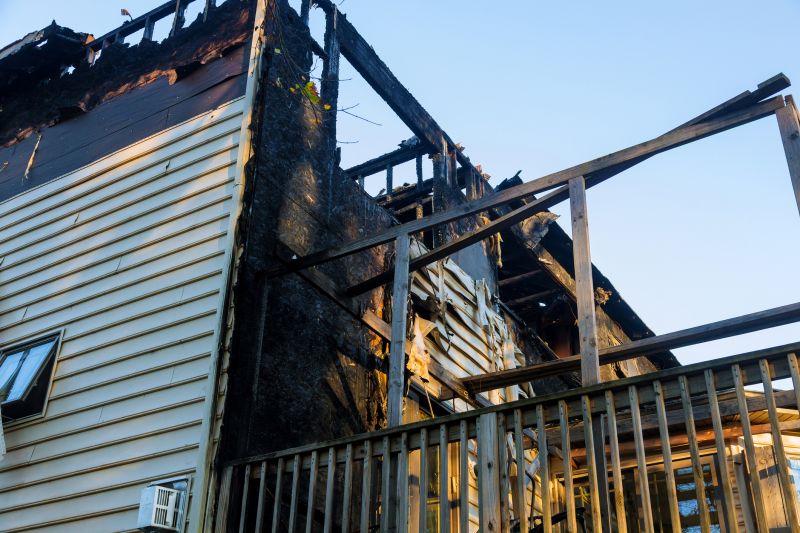
Popular materials for Fire Restorations and why they hold up over time.
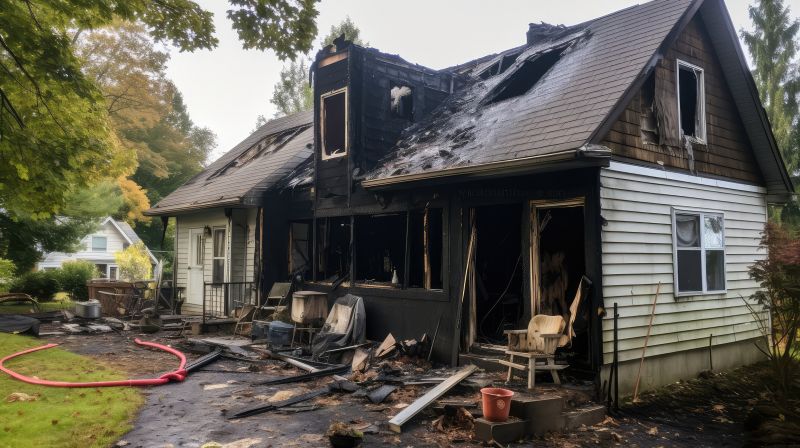
Simple add-ons that improve Fire Restorations without blowing the budget.
| Aspect | Optimal Timing |
|---|---|
| Immediate Response | Within 48 hours after fire |
| Weather Conditions | Mild, dry weather preferred |
| Structural Assessment | Shortly after fire detection |
| Cleanup Operations | As soon as possible to prevent secondary damage |
| Long-term Restoration | Scheduled during low occupancy periods |
Fire restorations involve complex processes that require timely intervention to effectively address damage caused by heat, smoke, and water used during firefighting. Proper timing ensures comprehensive cleanup, structural repairs, and odor removal, helping to restore the property to its pre-fire condition.
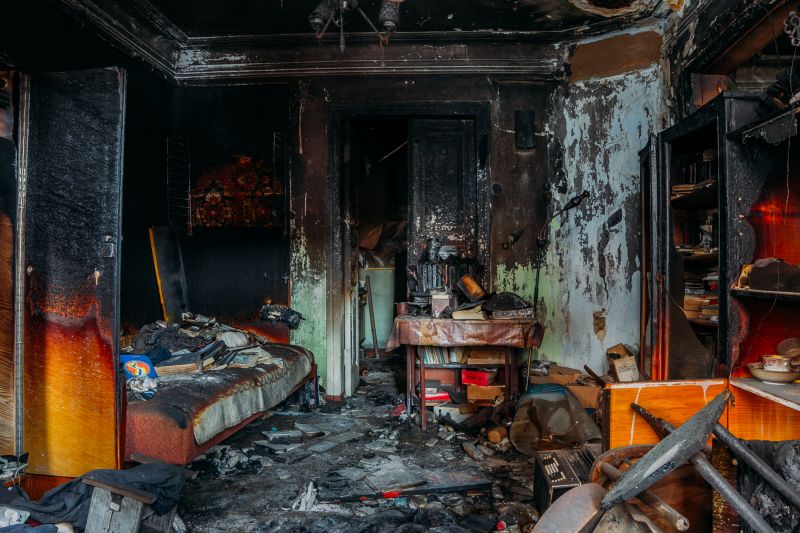
Evaluating the severity of fire damage for planning restorations.
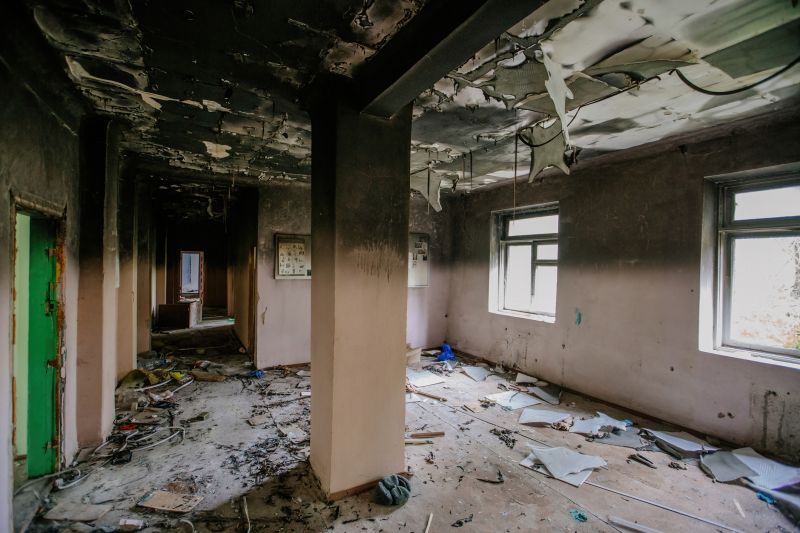
Removing smoke residues from walls and surfaces.
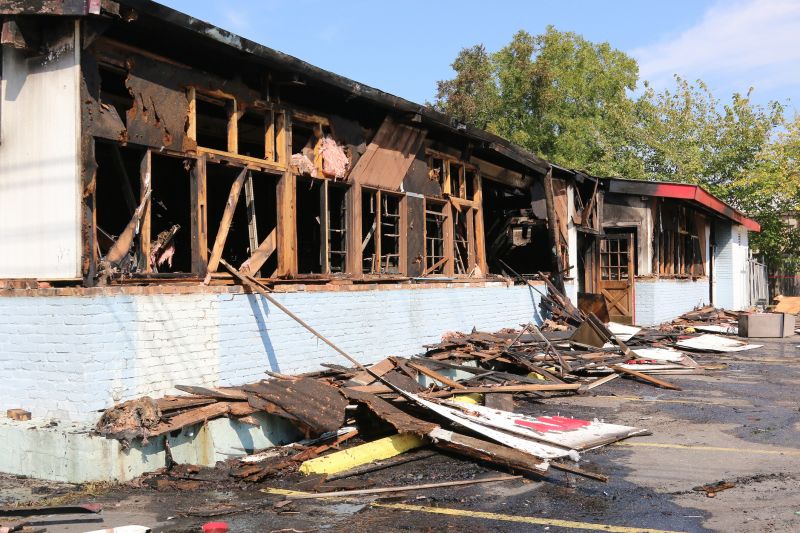
Rebuilding and repairing affected structures.
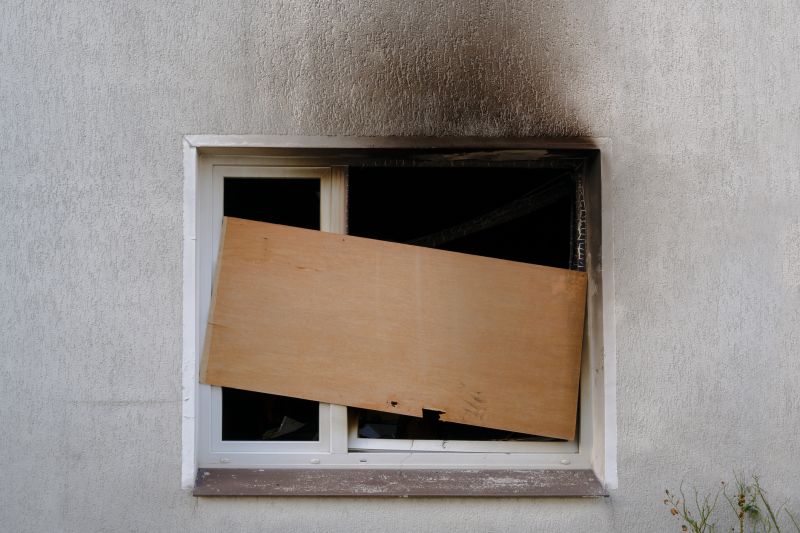
Employing advanced methods to eliminate smoke odors.
Timely fire restorations are essential to minimize long-term damage and restore the safety and integrity of a property. Prompt action can help control costs and reduce health risks associated with lingering smoke and soot residues.
Interested parties are encouraged to contact for detailed assessments and tailored restoration plans. Filling out the contact form can facilitate scheduling and further information about fire restoration services.